EN
EN

The Ahr cycle path two years after the flood
Between reconstruction and hopes for the future
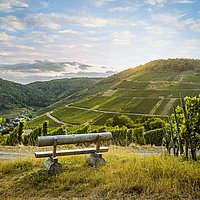
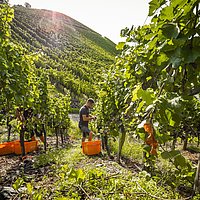
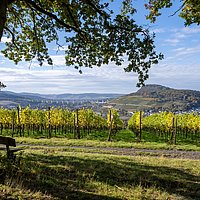
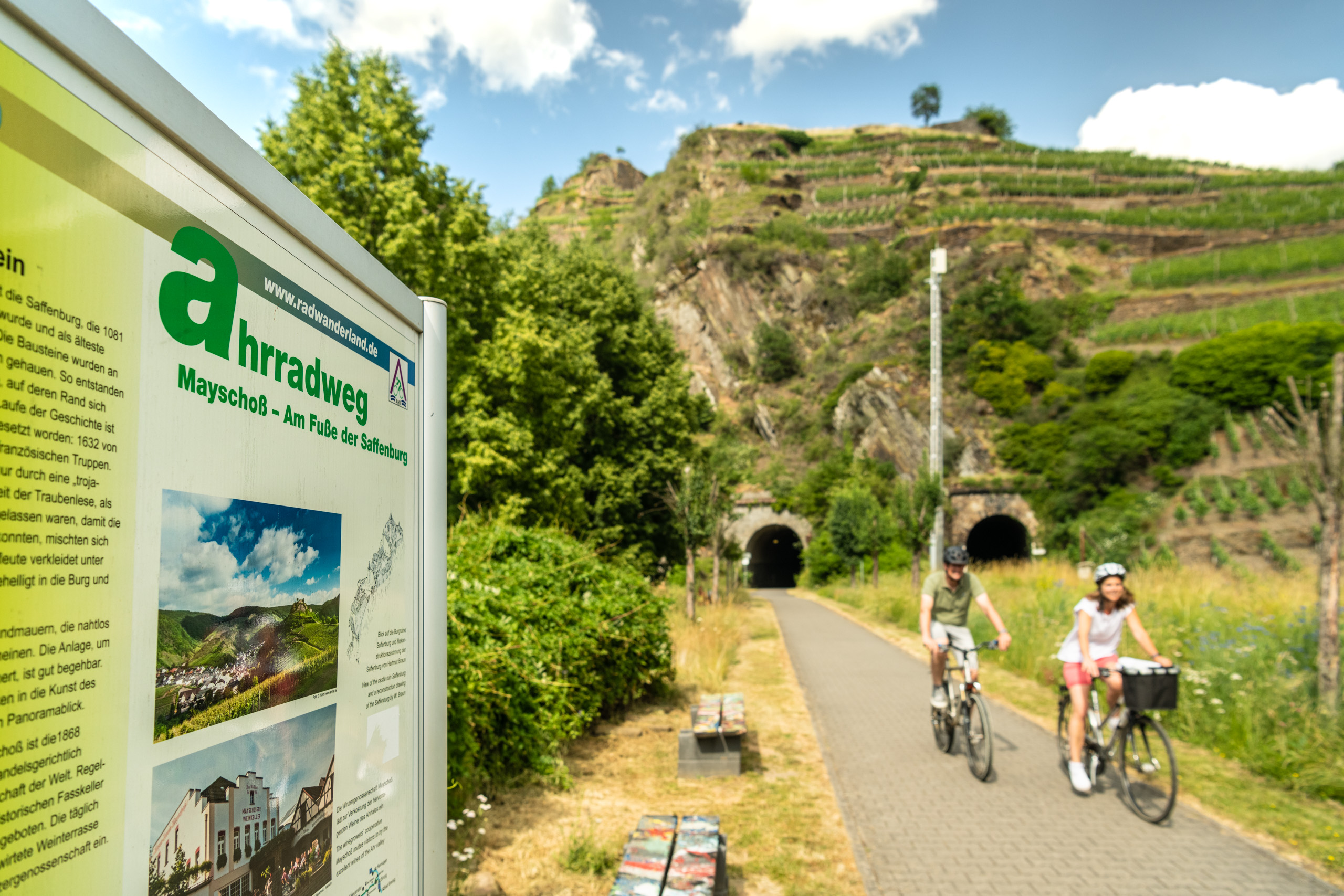
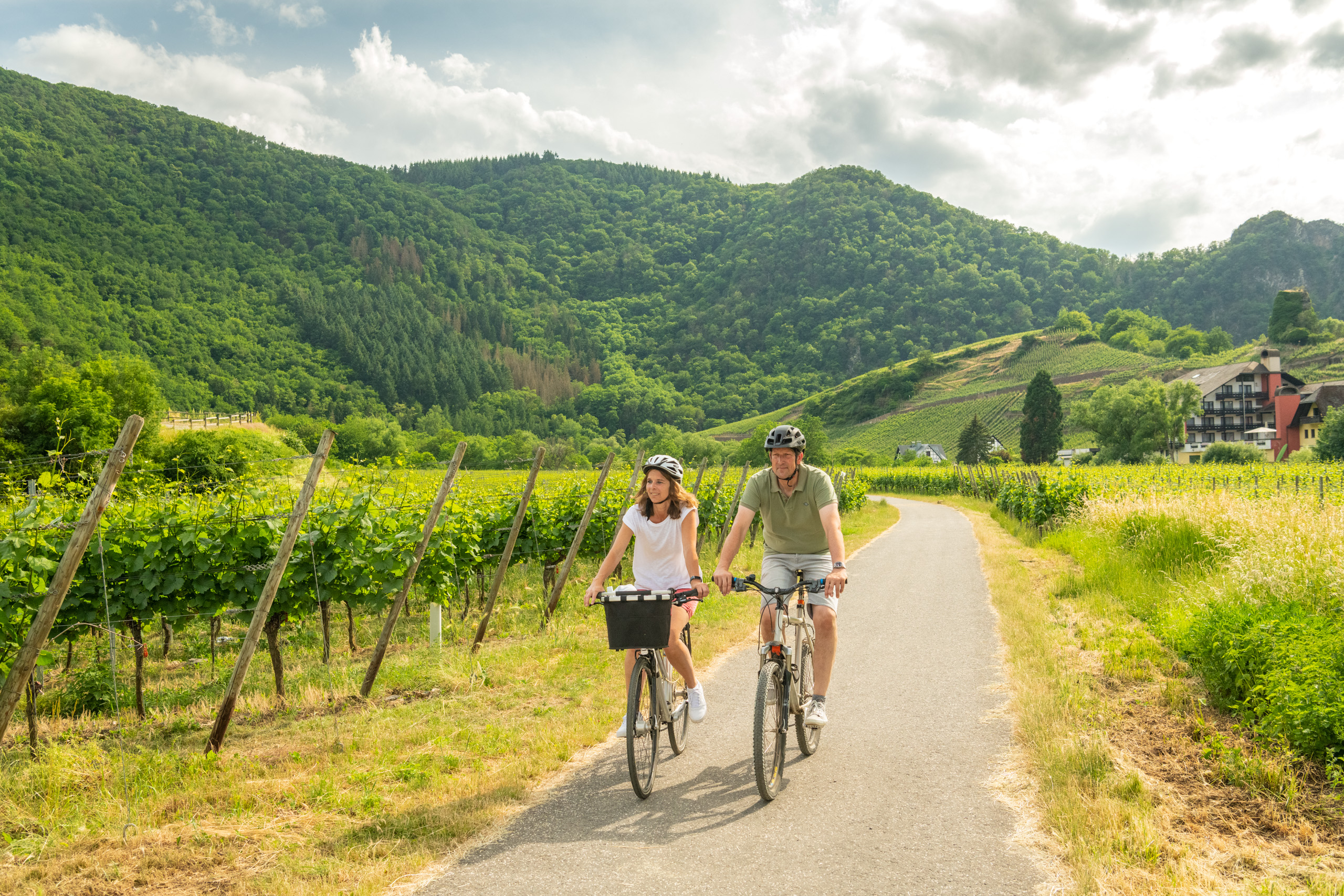
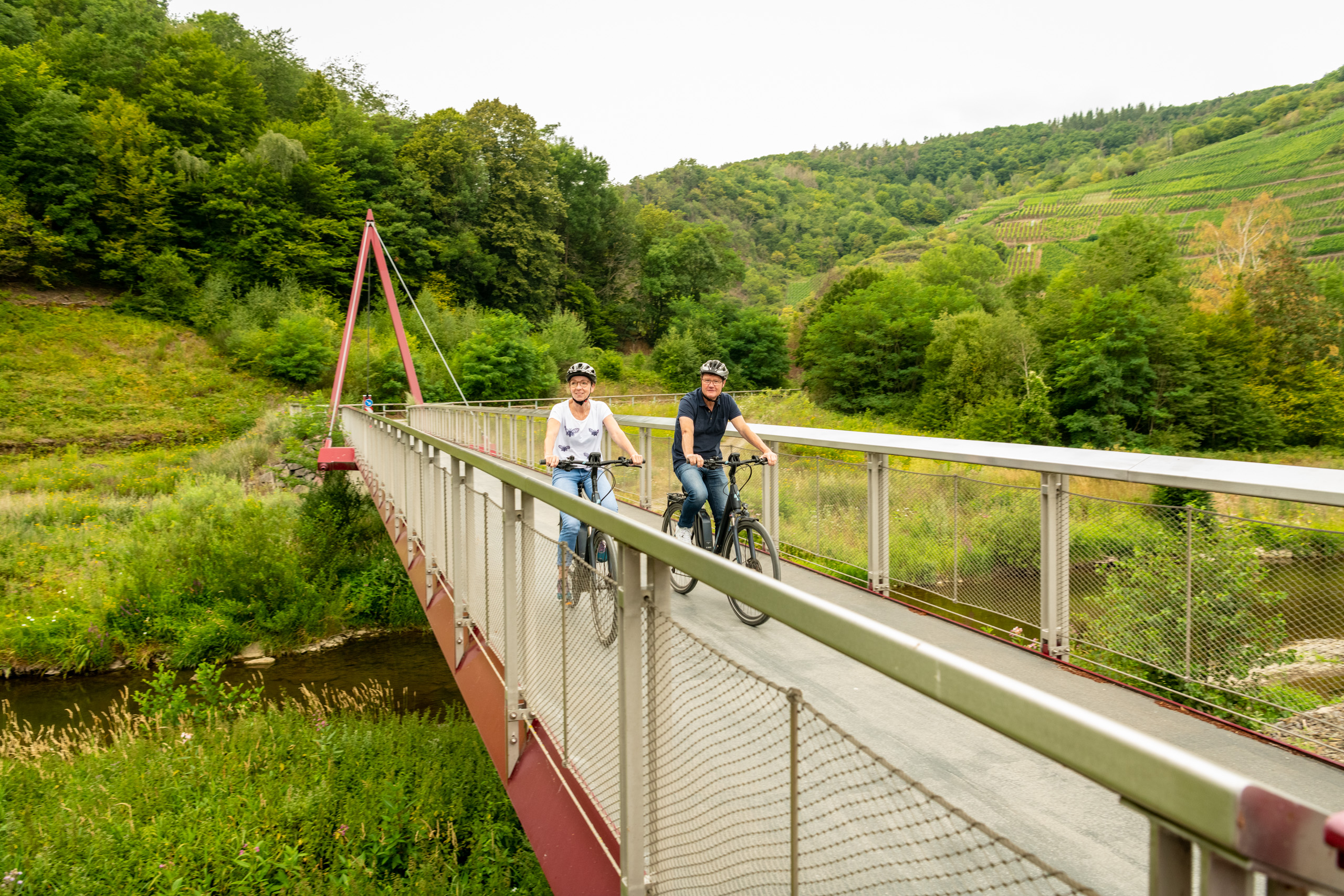
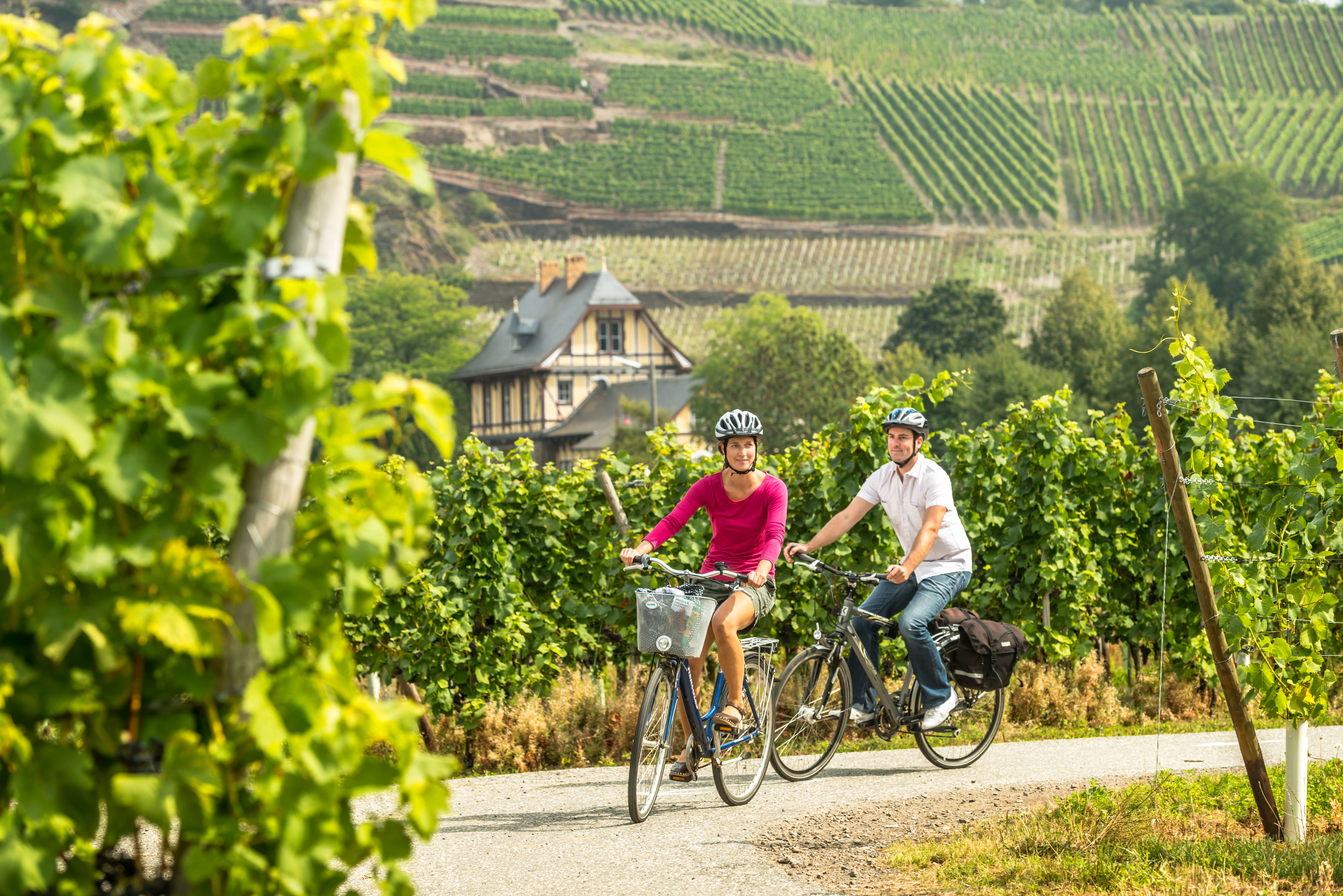
A mild autumn day. The vineyards are gloriously colourful and the sun bathes the landscape in an even more glorious light. We are travelling along the Ahr cycle path. Coming from Sinzig, we head towards our destination of Mayschoß, where, as in so many places along the Ahr, cosy wine taverns and cheerful wine festivals beckon. While the wind blows pleasantly around our noses, we enjoy the view of the golden vines, spot the winegrowers busy harvesting grapes on the steep slopes and look forward to a glass of delicious Pinot Noir. The cycle path meanders gently along the Ahr, touching the pretty wine villages along the way and inviting us to stop again and again to savour the scent of nature, listen to the babbling of the Ahr and marvel at the beautiful views that the Ahr valley is blessed with.
The Ahr cycle path is considered the epitome of pleasure cycling.
And then came the flood!
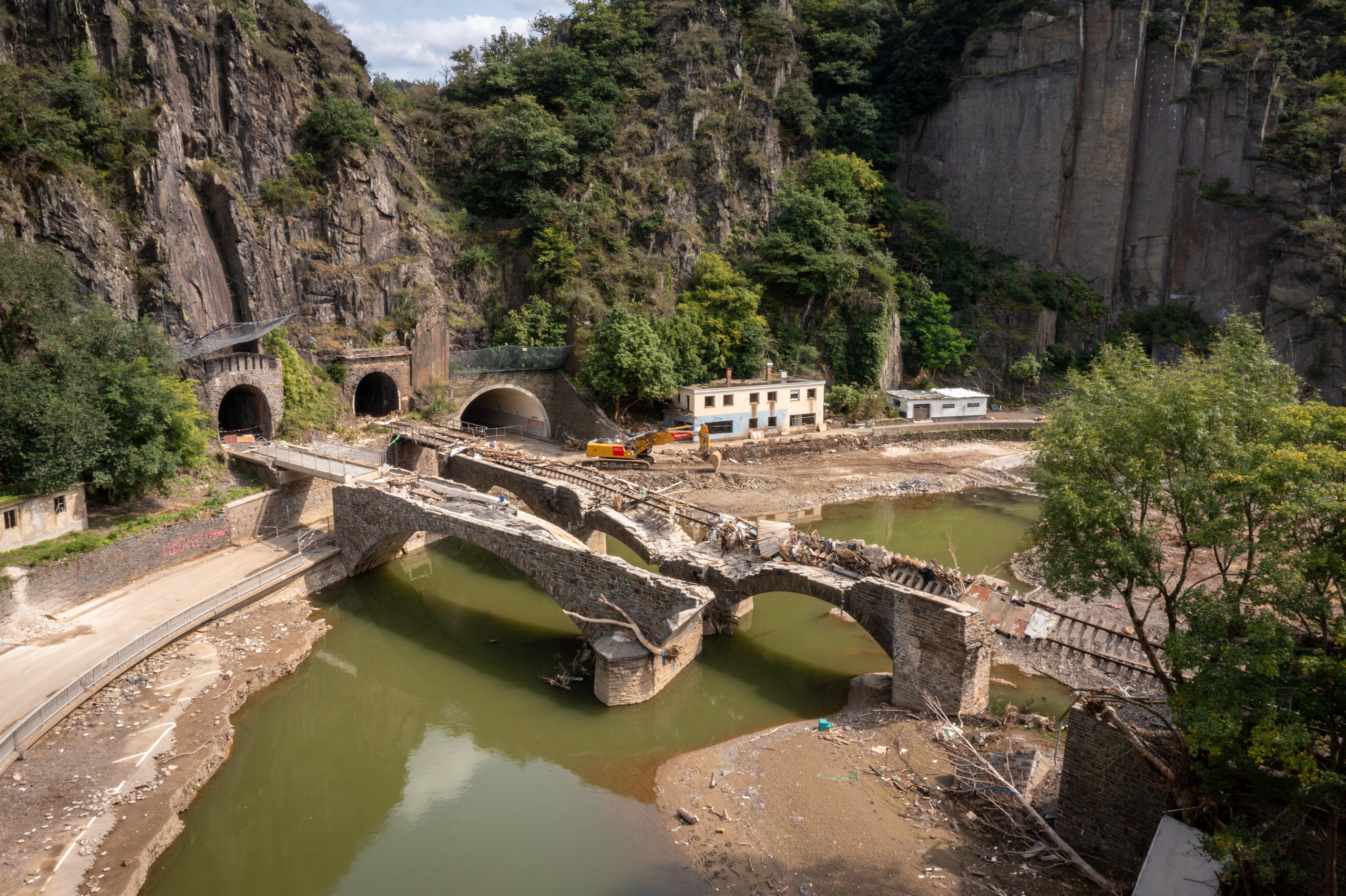
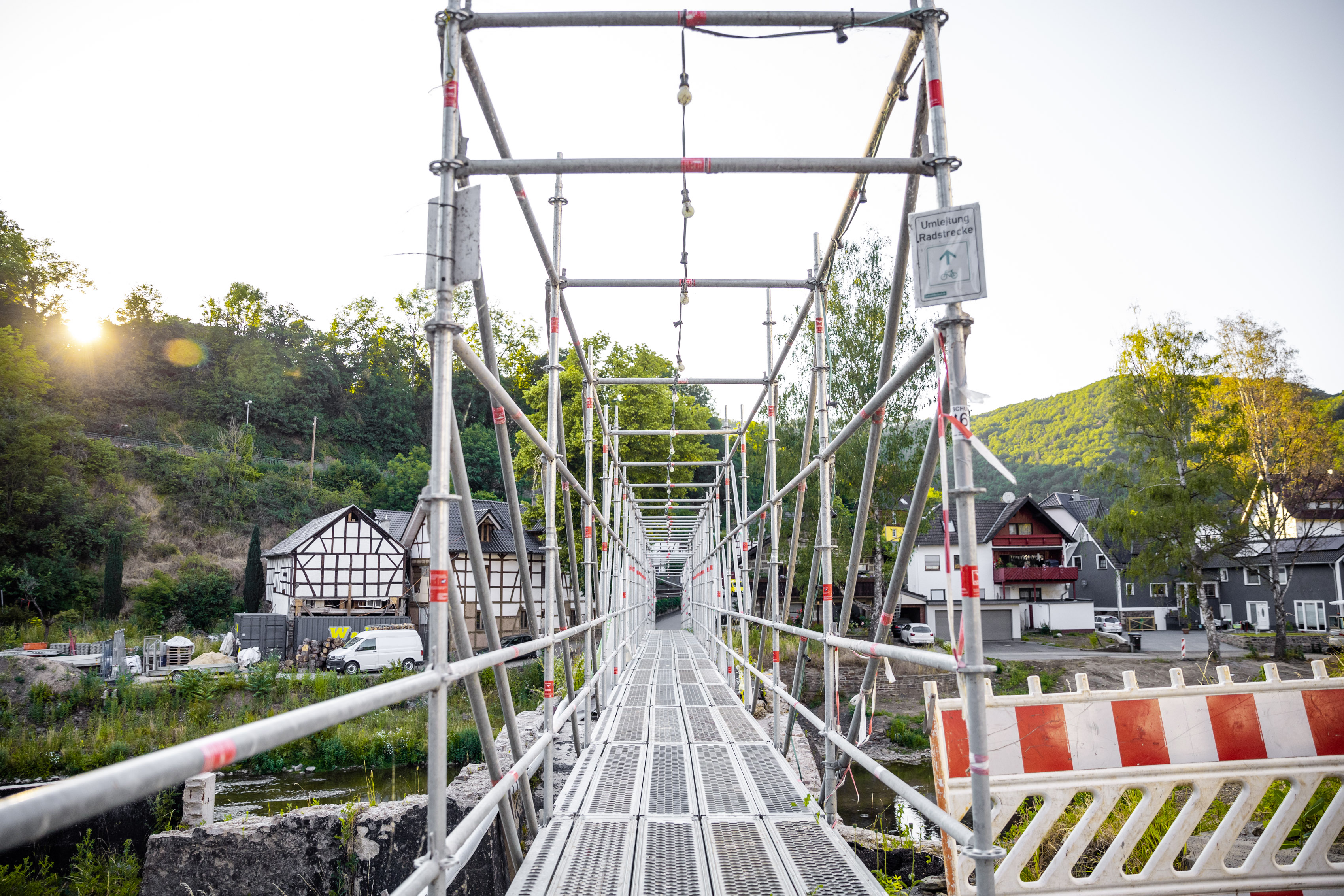
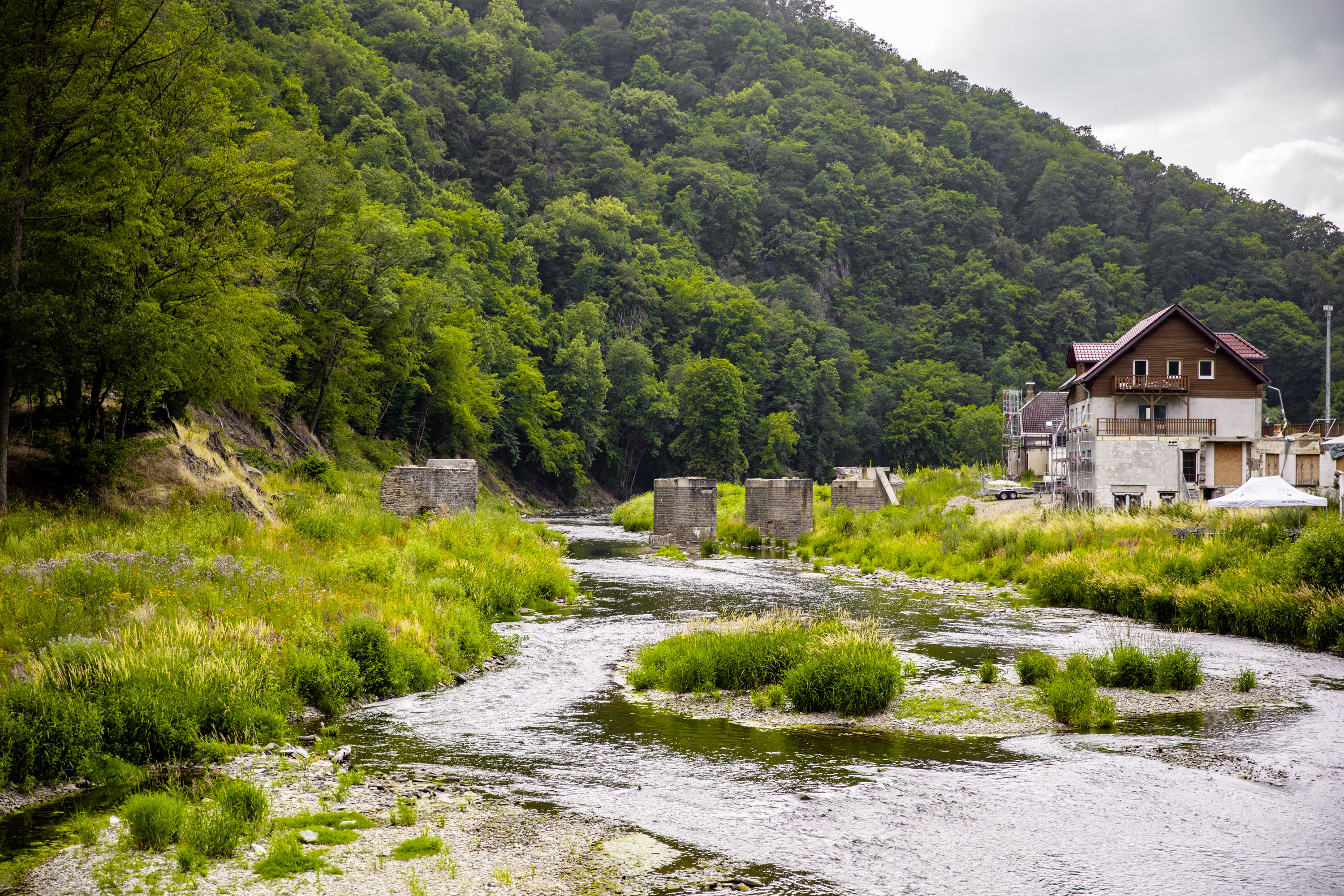
Almost 60 per cent of the approximately 65-kilometre-long Ahr cycle path in Rhineland-Palatinate was damaged by the huge masses of water from the Ahr, and 22 per cent was even completely destroyed. Cyclists were suddenly only able to use around half of the Ahr cycle path. Almost all the bridges over which the Ahr cycle path and the railway line ran were simply swept away by the gigantic flood wave. A scene of devastation, the images of which will never be forgotten.
14 July 2021 hit our region deep in the soul.
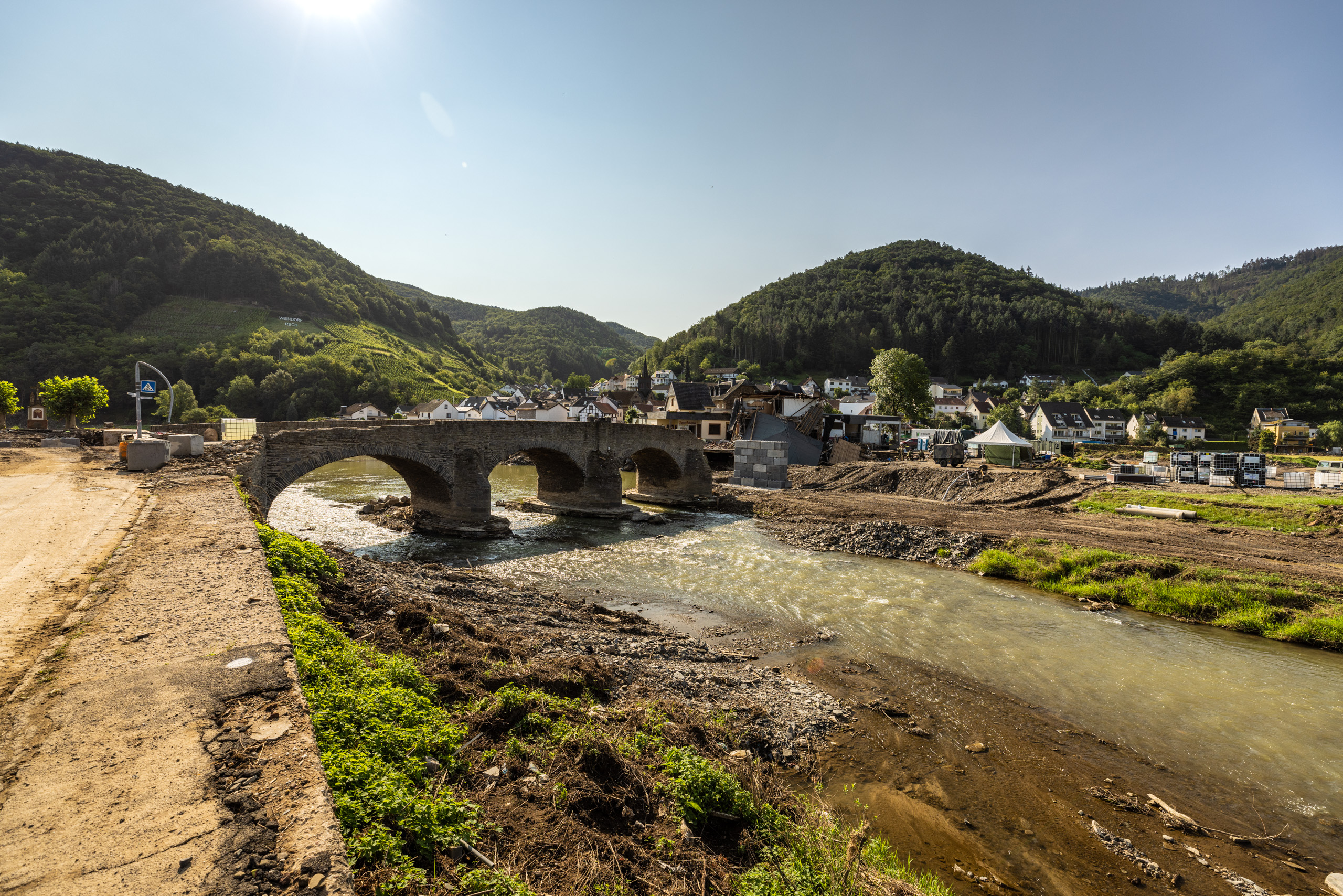
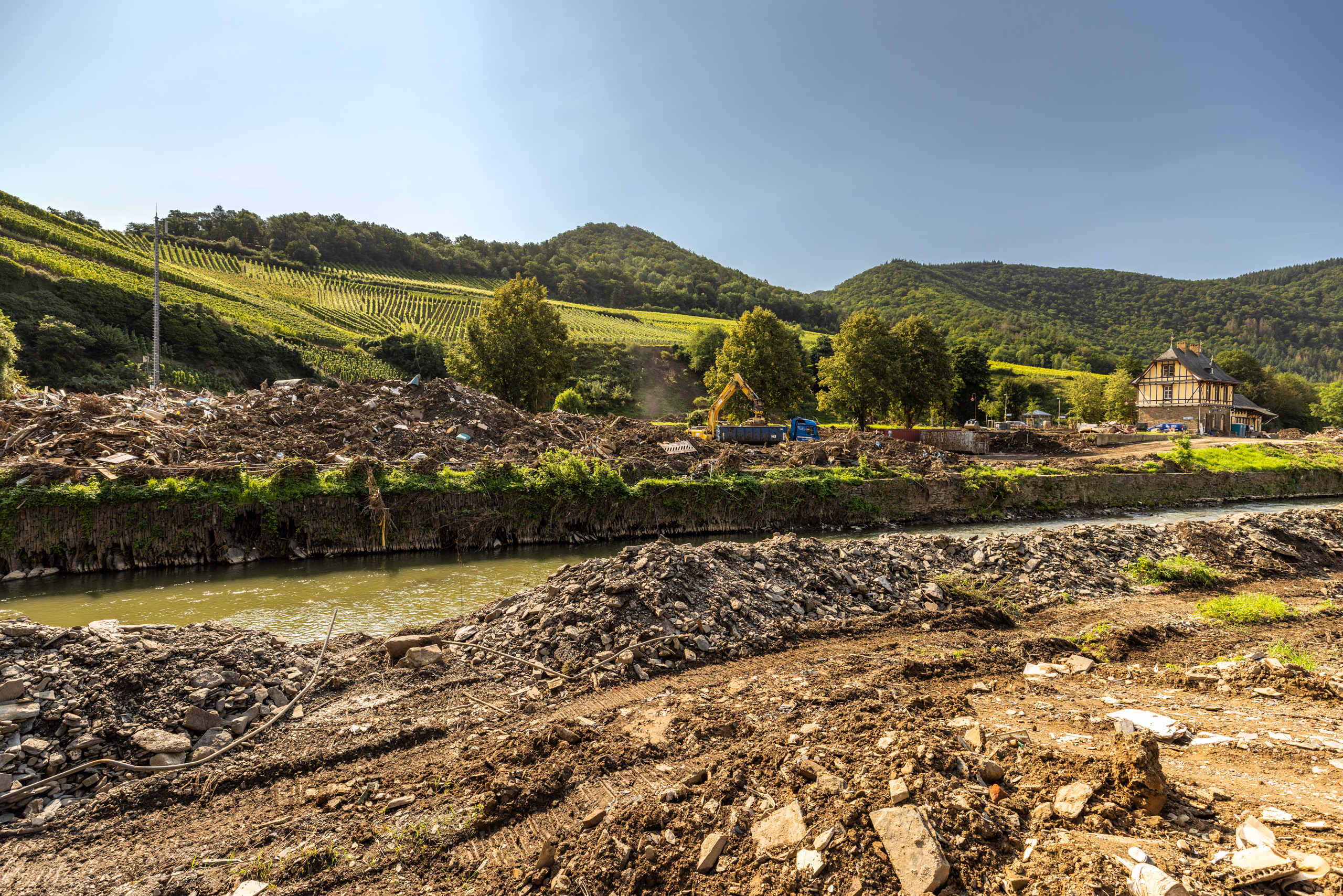
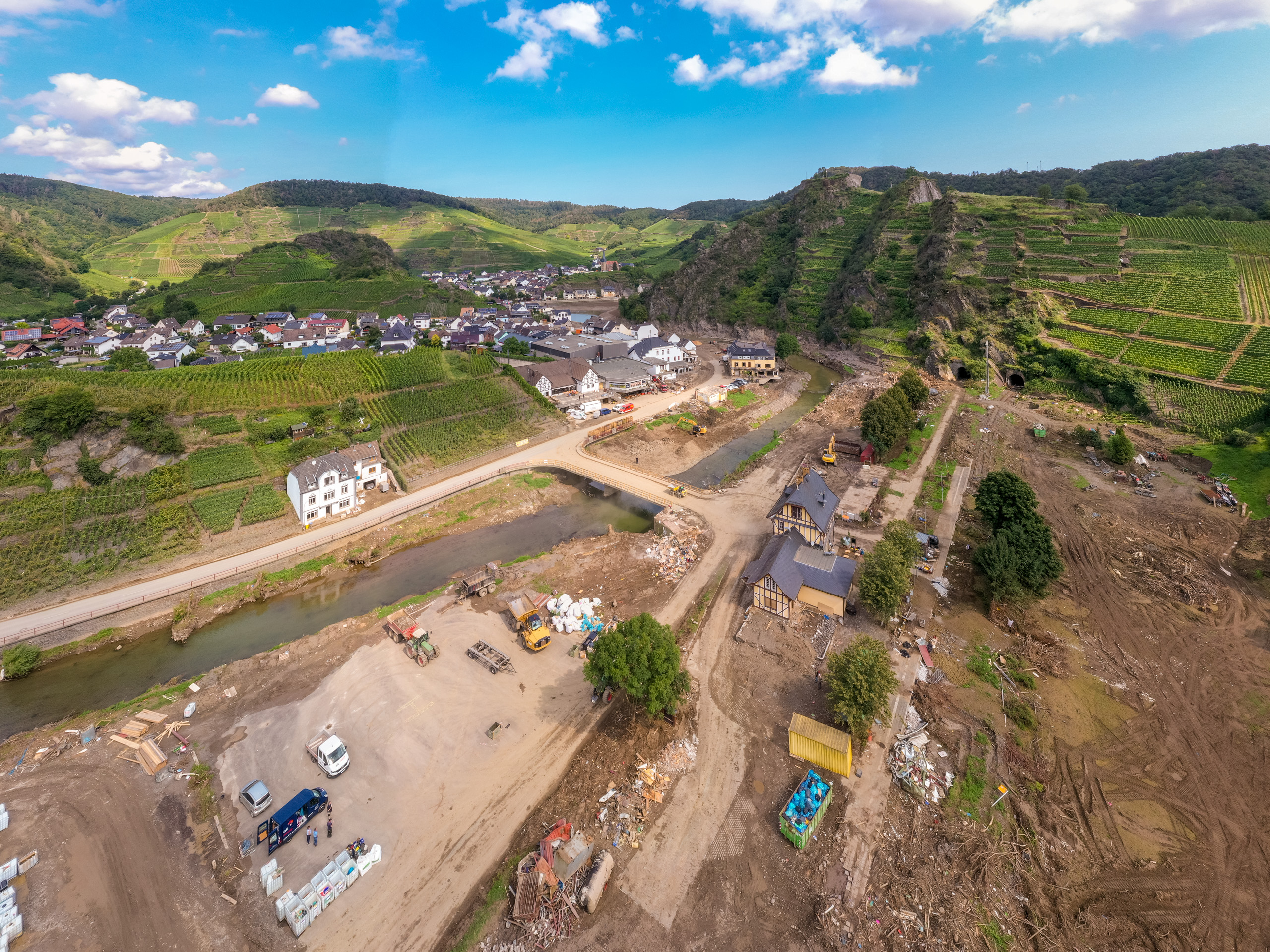
We are now counting two years since the flood. A lot has happened since then. Much still needs to be done. But progress is being made. And we can think about cycling for pleasure again. We are looking ahead. We have firmly anchored the wonderful cycling experiences from the time before the flood in our hearts. We want to be able to look forward to these again - and much more!
That's why we wanted to know on the occasion of the second anniversary of the flood disaster:
What is the status of "Cycling in the Ahr Valley two years after the flood?"
Tourism experts Meike Carll from Ahrtal-Tourismus and Daniela Scheffold from the Hocheifel-Nürburgring tourism association tell us more about the Ahr cycle path between reconstruction and future aspirations.
Daniela Scheffold: A lot has happened in our municipality of Adenau in the last two years. Apart from a small section between Schuld and Insul, the cycle path is once again fully accessible from Blankenheim to Fuchshofen, with a flood-related diversion in Antweiler. The cycle path also has to be diverted in Schuld. From the end of the village of Schuld to Dümpelfeld, cyclists can cycle on the Ahr cycle path again without any restrictions.
Small closures may occur again at short notice in all areas. Unfortunately, these are not always predictable. For example, the Ahr cycle path near Insul will probably have to be diverted for a limited period towards the end of the year because the new sports centre is being built.

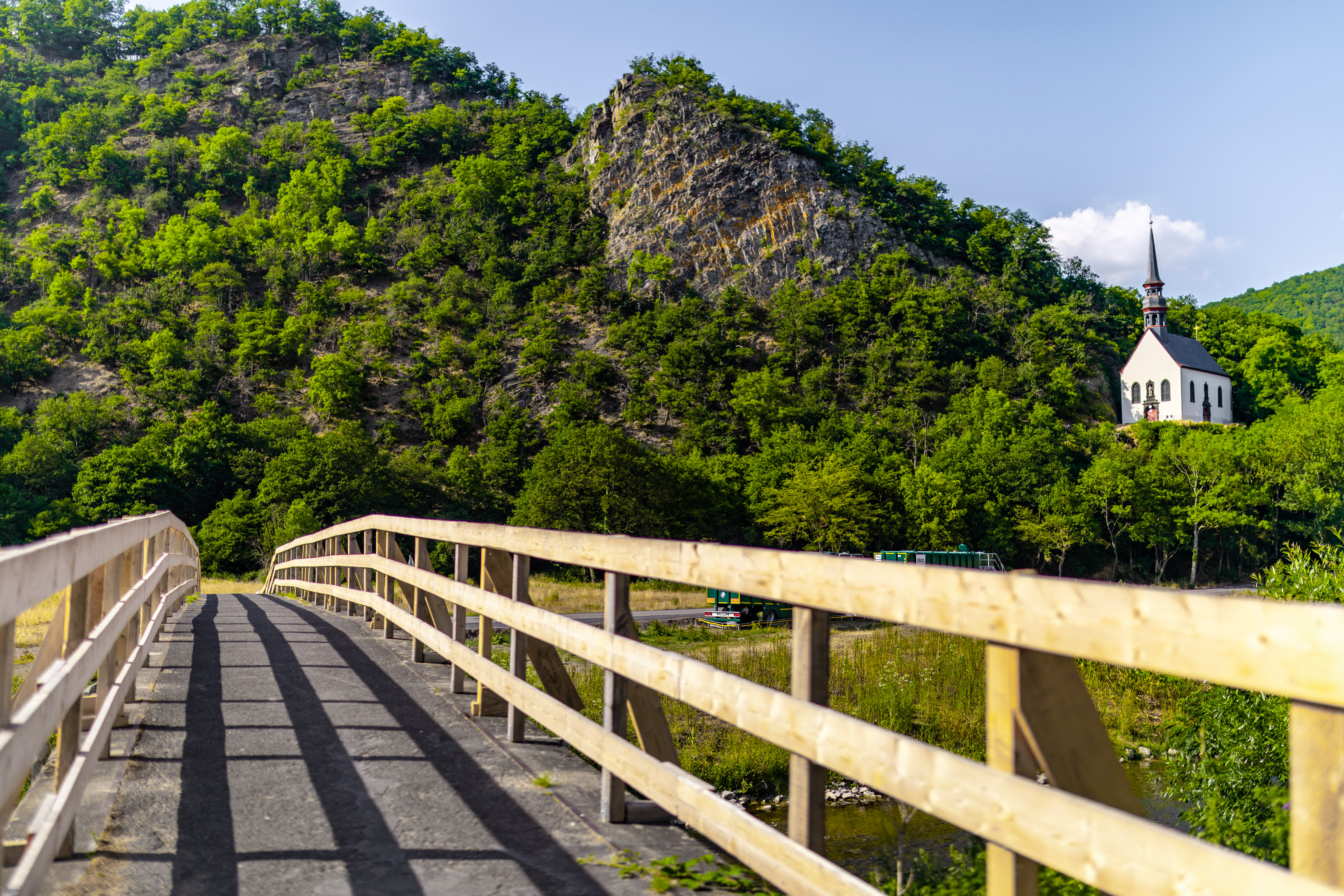
Reconstruction of the Ahr cycle path at the Pützfeld chapel
Meike Carll: We are delighted that the route from Blankenheim to Altenahr has been almost completely open to cyclists again since the "Tour de Ahrtal" cycling experience day on 18 June 2023. From Walporzheim to the connection to the Rhine Cycle Route near Sinzig, the Ahr Cycle Route can also be used again, either on the restored original route or on an alternative route.
In total, around 84 per cent of the Ahr cycle path is now available to cyclists again. Unfortunately, one of the most beautiful sections of the Ahr cycle path between Altenahr and Walporzheim is still closed for some time because the flood caused the most damage here.
Daniela Scheffold: I was delighted with all the progress. Every section that has been added has brought us a little further forward in terms of tourism and we have been able to present another section of the Ahr Cycle Route to our guests.
I would also like to thank the project office of the Rhineland-Palatinate Mobility Authority (LBM) in Sinzig, our building authority and the local communities along the Ahr Cycle Route. They are all putting their heart and soul into the Ahr cycle path to make it accessible again for visitors and locals.

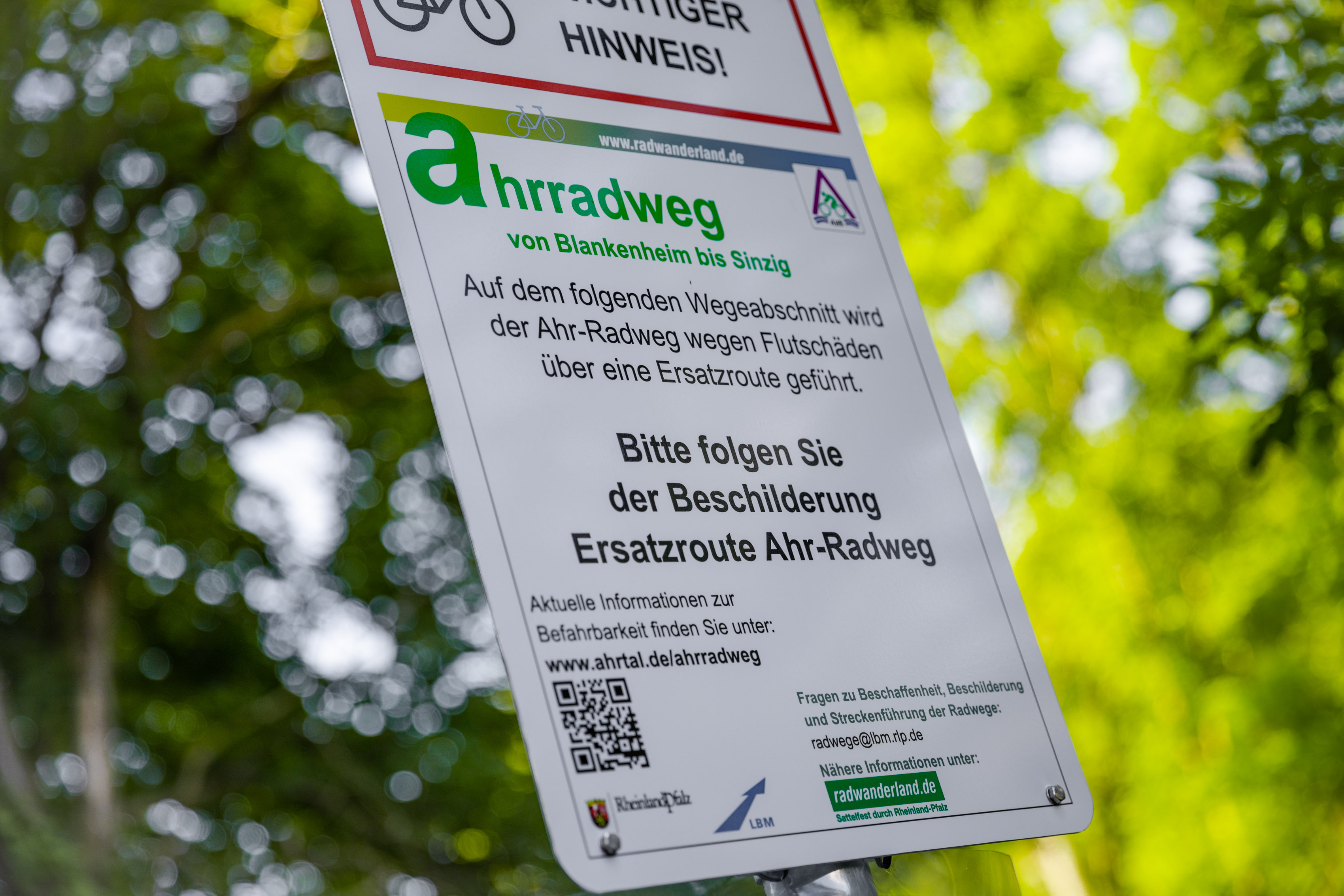
Standardised cycle path signage after the flood
Meike Carll: I would also like to praise the LBM, which started work on the reconstruction of the Ahr cycle path shortly after the flood, knowing full well that there are many challenges and coordination issues. After all, the Ahr cycle path runs through five municipalities and two federal states.
We have the LBM to thank for the fact that the reconstruction of the Ahr cycle path is already so far advanced, the diversions are signposted uniformly and alternative routes are passable.
Daniela Scheffold: Our guests naturally want to be able to cycle along the Ahr cycle path again without any detours. Just like before the flood.
Our Upper Ahr Valley cycle and hiking bus (route 899) is also a big issue for guests and locals. After all, anyone travelling along the Ahr cycle path or AhrSteig trail is often looking for a good connection to local public transport.

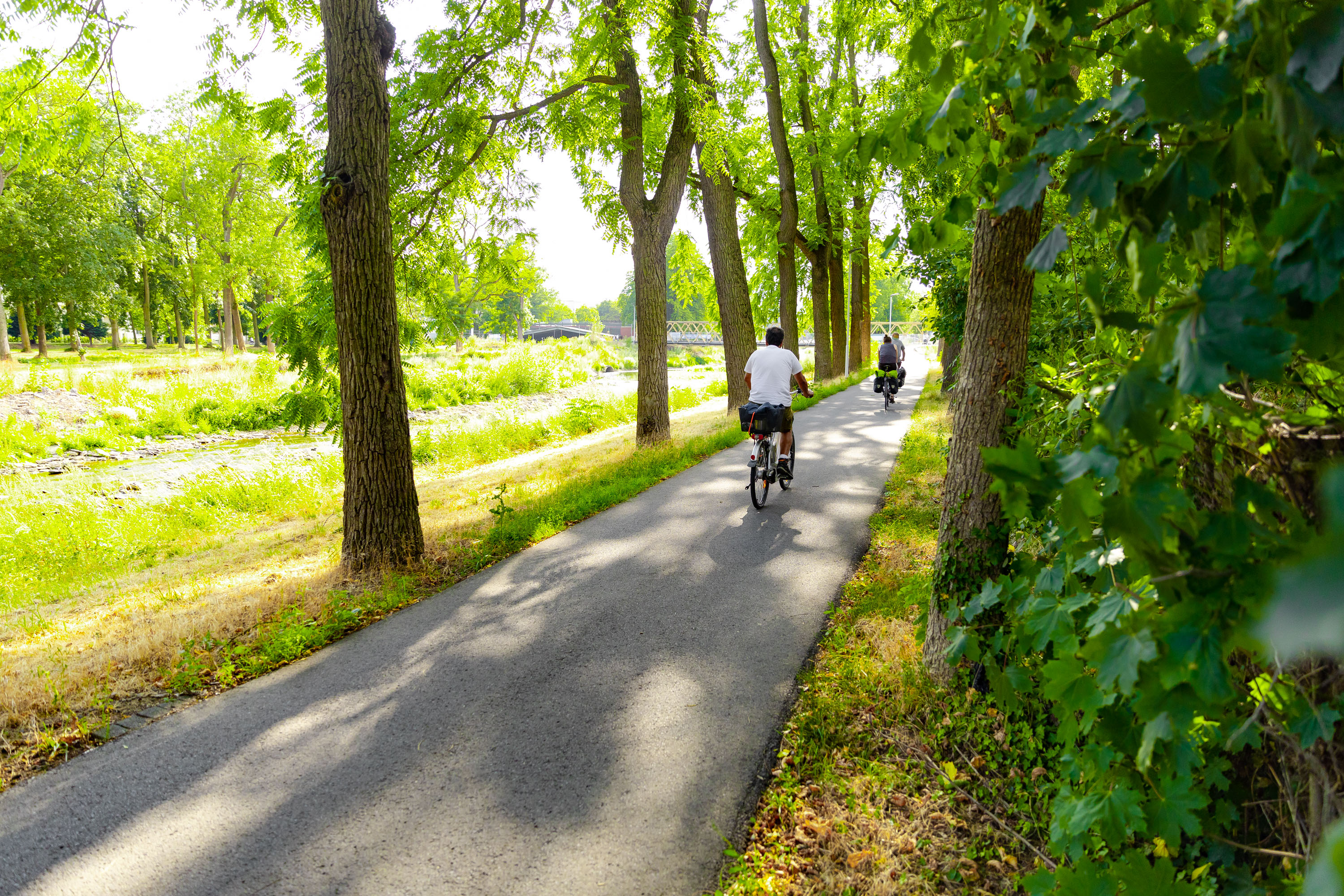
Cyclists on the restored track near Kreuzberg
Meike Carll: We are clearly noticing that the demand for e-bike charging stations is increasing throughout the Ahr Valley. This was already the case before the flood and is of course even more so now, because we not only have to restore the destroyed charging stations, but also install new ones.
The current trend is for mountain bike and gravel bike tours. That is why we have also taken this rapidly growing demand into account in our sustainable tourism concept for the Ahr Valley.
Daniela Scheffold: We must not let up on promoting the existing routes from Blankenheim to Kreuzberg and Walporzheim to Sinzig in order to remain present in the minds of visitors. This also includes the discovery tours in the upper Ahr valley, the connection to the Kalkeifel cycle path or the Rhine cycle path near Remagen.
The (still) lack of catering facilities is a challenge, as it has become more difficult to offer overnight accommodation for multi-day tours, for example.

The reconstruction of the Ahr cycle path on the Middle Ahr will take quite a while yet
Meike Carll: We must seize the opportunity and adapt the Ahr cycle route to more modern standards. We should also rethink the infrastructure.
It is important that the future route of the Ahr cycle path is significantly optimised: wider cycle paths that meet today's requirements and include more of the villages along the route. Because cycling and enjoyment simply go hand in hand in the Ahr Valley.
Daniela Scheffold: I hope that we will soon be able to reconnect the middle section of the Ahr Cycle Route between Altenahr and Walporzheim and that we can continue to welcome many cycling fans to the Ahr Valley in the future.
My wish for our guests is that we can offer them a wonderful active break on the Ahr Cycle Route. To this end, we should now take the opportunity to set up cycle service stations or cosy feel-good islands along the entire cycle route, for example.

Wider, more modern, with plenty of space to relax: the new Ahr cycle path
Meike Carll: One of my favourite projects is the integration of the mountain trails, as is now planned for 2024, to ensure a safe bypass of the Ahr route between Altenahr and Walporzheim.
What is initially intended as a bypass could also be used wonderfully for cycle tourism, as this would give us an additional attractive offer, especially for ambitious cyclists or e-bike riders.
More blog posts about the Ahr valley