POI
Water mills in Lohrsdorf
Bad Neuenahr-Ahrweiler
District with a long tradition of watermills
The Greener Mühle was first mentioned in a document "uff Peters avend ab vincula", which corresponds to the evening before St Peter's Day (St Peter ad Vincula), i.e. 31 July 1478. On this day, the inheritance was divided between the brothers Johann and Gerhard Quad, Lords of Tomburg and Landskron. Among other things, Gerhard Quad was awarded Green with farms and mills as part of the lordship of Landskron, which also included Kirchdaun and Lantershofen.
However, it is assumed that the Greener mills are much older. This can be traced back to the fact that a donation of a pound of nut oil from a tree orchard "up dem Diche", which was dedicated to the Holy Cross, was mentioned in a document in 1345. The name "up dem Diche" and the amount of the lease indicate a garden planted with walnut trees, which may have already belonged to an existing oil mill and was located near a mill pond.
A mill pond existed, which was derived from the Ahr and stretched between the Heimersheim and Bodendorf weirs. A map from 1571 shows the course of this mill pond, which supplied water to three mills in Heimersheim as well as Greener Mühle.
Over the centuries, Ahr floods repeatedly caused considerable damage to the mills.
Between 1410 and 1804 alone, the mill was severely damaged or completely destroyed eight times. After a long break, the rebuilding of the mill was authorised by the lord of the manor in 1693. The owner at the time, Johannes Schreiber, planned to turn the so-called "Ohligs-Mühl" into a grinding mill.
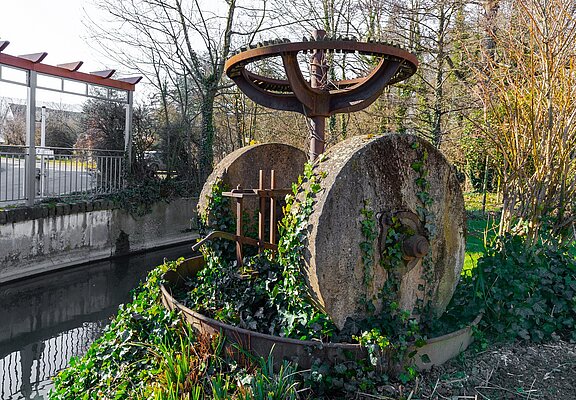
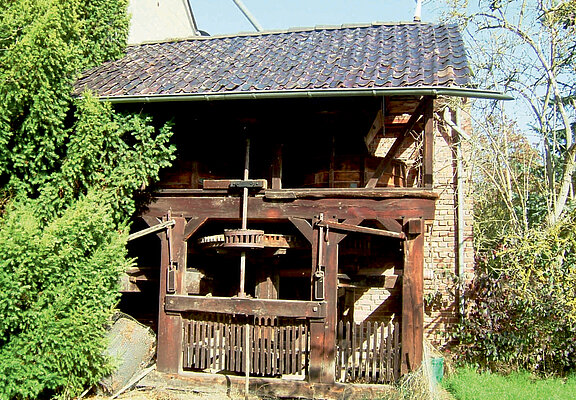
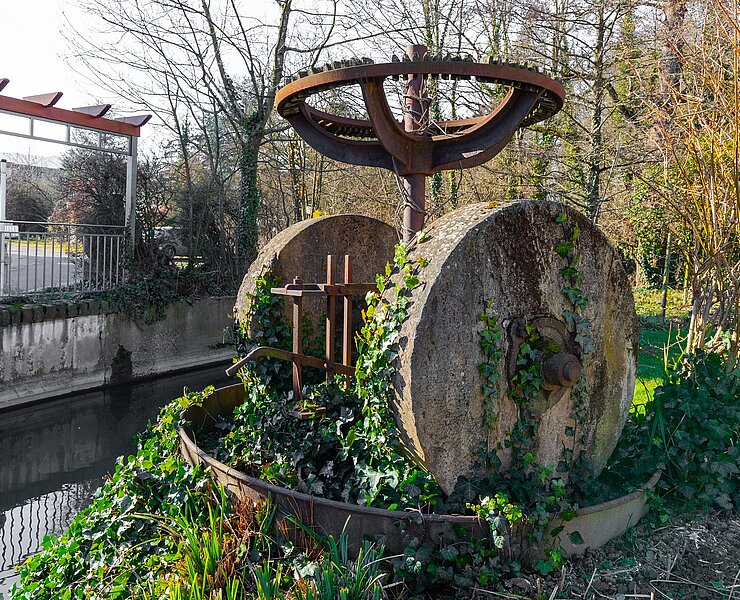
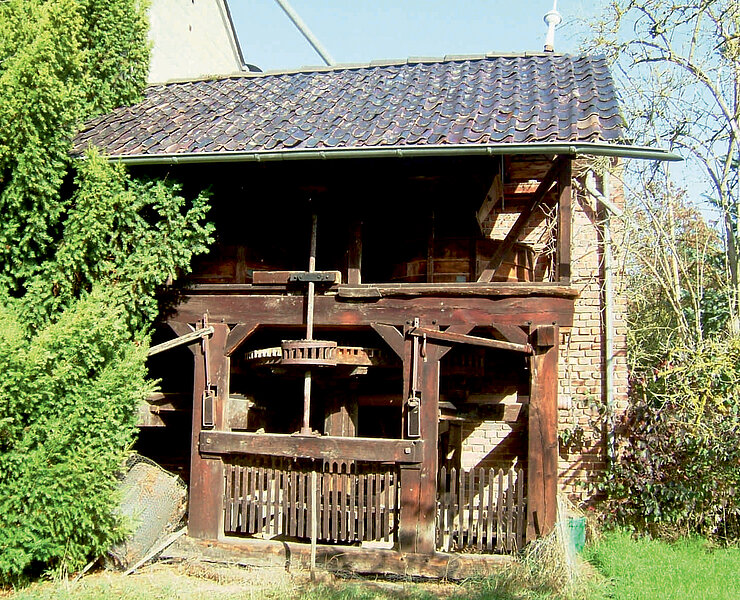
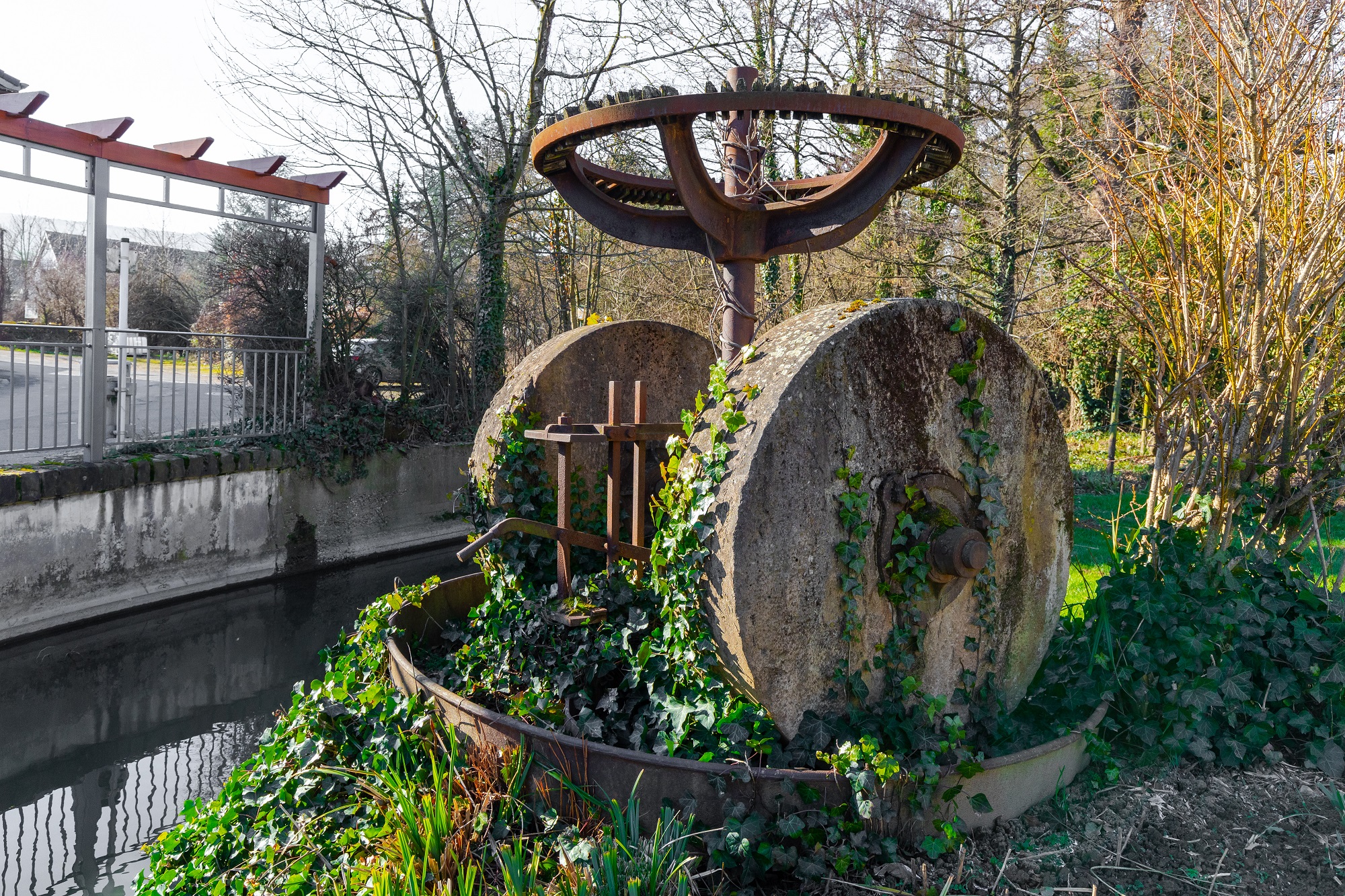
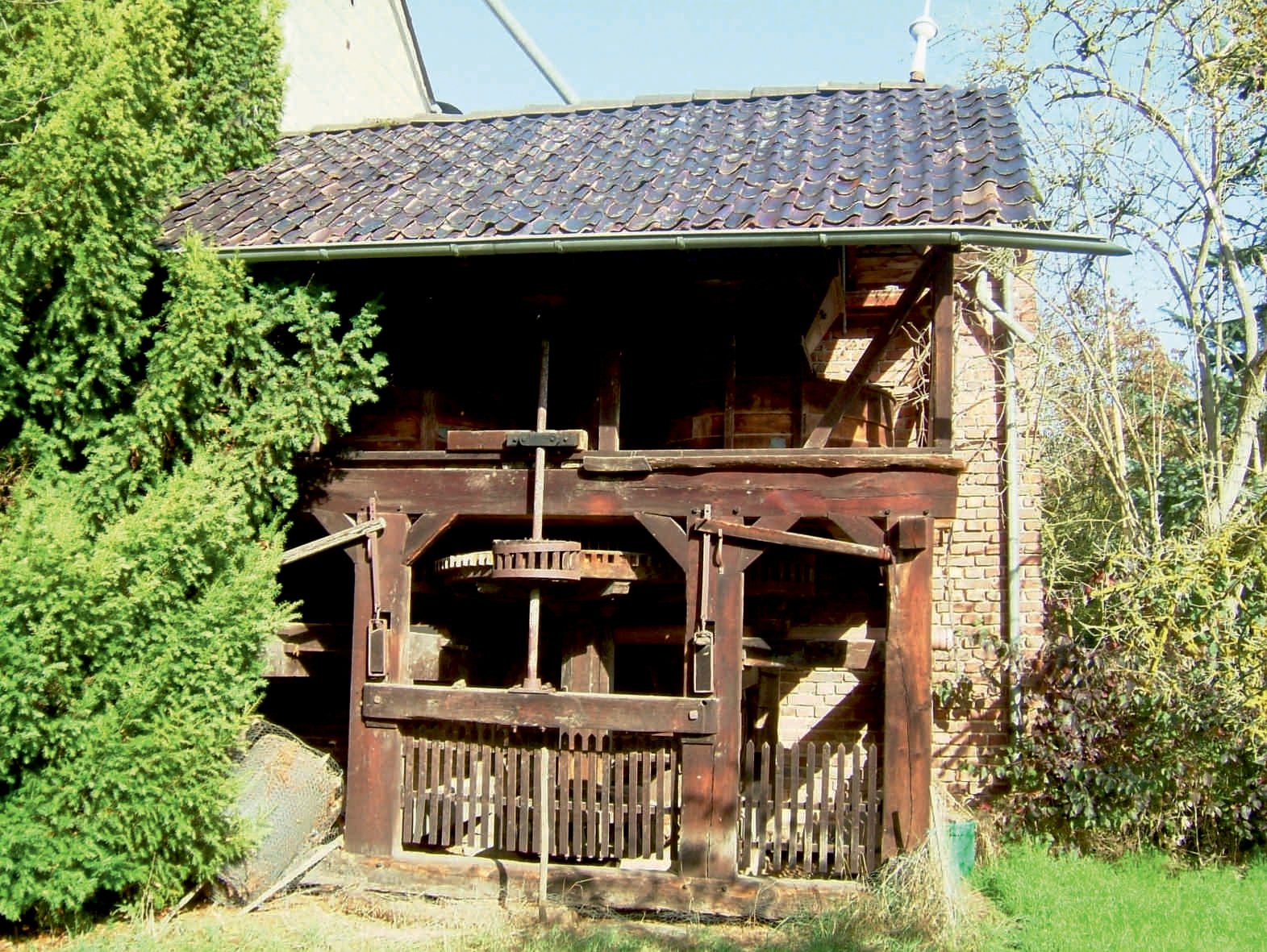
three former mills, the former millstones or the collars can still be seen today.
millstones or the rollers can still be seen today.
POI
Water mills in Lohrsdorf
Bad Neuenahr-Ahrweiler
District with a long tradition of watermills
The Greener Mühle was first mentioned in a document "uff Peters avend ab vincula", which corresponds to the evening before St Peter's Day (St Peter ad Vincula), i.e. 31 July 1478. On this day, the inheritance was divided between the brothers Johann and Gerhard Quad, Lords of Tomburg and Landskron. Among other things, Gerhard Quad was awarded Green with farms and mills as part of the lordship of Landskron, which also included Kirchdaun and Lantershofen.
However, it is assumed that the Greener mills are much older. This can be traced back to the fact that a donation of a pound of nut oil from a tree orchard "up dem Diche", which was dedicated to the Holy Cross, was mentioned in a document in 1345. The name "up dem Diche" and the amount of the lease indicate a garden planted with walnut trees, which may have already belonged to an existing oil mill and was located near a mill pond.
A mill pond existed, which was derived from the Ahr and stretched between the Heimersheim and Bodendorf weirs. A map from 1571 shows the course of this mill pond, which supplied water to three mills in Heimersheim as well as Greener Mühle.
Over the centuries, Ahr floods repeatedly caused considerable damage to the mills.
Between 1410 and 1804 alone, the mill was severely damaged or completely destroyed eight times. After a long break, the rebuilding of the mill was authorised by the lord of the manor in 1693. The owner at the time, Johannes Schreiber, planned to turn the so-called "Ohligs-Mühl" into a grinding mill.
three former mills, the former millstones or the collars can still be seen today.
millstones or the rollers can still be seen today.
Kontakt
53474
More informations
- Heimersheim
- Attractions