EN
EN

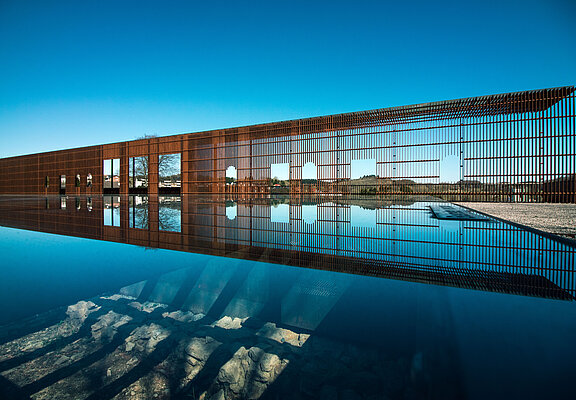
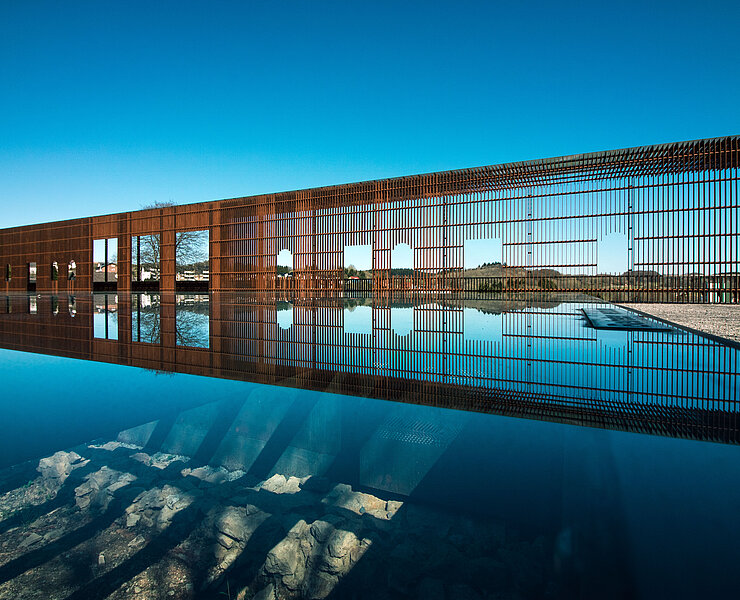
Blankenheim Roman Villa
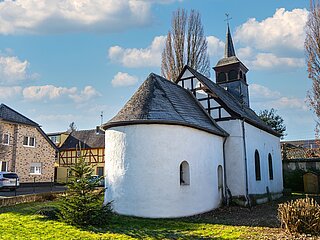
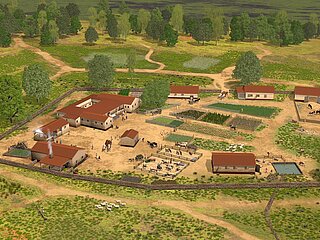
The Blankenheim villa is one of the most important archaeological monuments in the Rhineland from Roman times. It was built in the middle of the 1st cent. It was built in the middle of the 1st century AD and was inhabited - rebuilt several times - until the middle of the 4th century AD. 4th century AD. The Roman villa was once a large estate with a luxuriously furnished main building as well as stables, barns, sheds and servants' quarters. and servants' quarters. The first archaeological investigations took place as early as 1894.
The decision was made to preserve the exceptionally well-preserved walls of the main building of the main building and make them accessible to the public. The ancient masonry soon weathered and fell into disrepair. Some building walls, which were uncovered at the end of the 19th century are still partially present in the ground today. With an area of 250 x 120 metres, the estate was a considerable three hectares in size, which is why the building itself the building made a monumental impression even from a distance.
The Roman villa at Blankenheim is the only known example of a representative axial representative axial villa in the Rhineland.
- ZG Vielseitig Aktive (L)
- ZG Aktive Naturgenießer (L)
- ZG Kultur- und Landschaftsliebhaber (L)
- ZG Nur Wanderer (L)
- ZG Städte-Genießer (L)
- Back for you
- Attractions
- Museums

POI

POI

Auto

POI
Attraktionen

POI

POI
POI
POI

Weinstube

POI

POI
POI

POI

Garten